The Assortment of Factors Contributing to South African Youth Drug and Alcohol Abuse: The South African Government’s Approach and Solutions
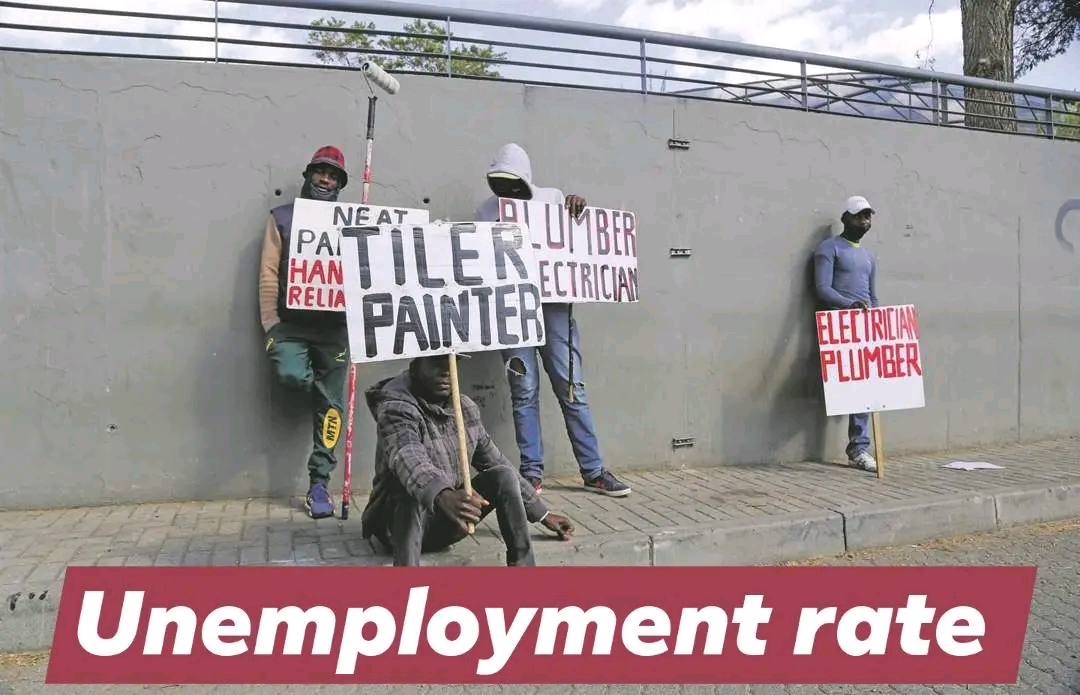
Though South Africa is known for its beauty and cultural diversity, the country is disadvantaged by severe socioeconomic problems, particularly youth unemployment. Youth unemployment in South Africa has remained constant for the last couple of years at around 50%, according to Statistics South Africa. The high number of unemployed youth creates a feeling of hopelessness as young people feel they have nowhere to turn. The emotional and economic conditions coupled with the constant feeling of frustration lead to drug and alcohol abuse as a means to seek emotional and economic escape.
Hence exploration of the relationship between not only unemployment and substance abuse, but also hopelessness during youth is warranted in order to inform more efficacious governmental initiatives designed to combat what are now crisis-levels of both South African youth unemployment and substance abuse.In Section 3 below we focus on the impact of unemployment and despair in South Africa.
The scarcity of employment for youth in South Africa has devastating consequences that are as nuance and multidimensional, socially as they structural or deeply psychological. How are you expected to get a job in order for you to buy your own clothes, and become part of the useful members of society without that? Snagged in poverty, people cannot act upon their aspirations and unable to draw on their talents, abilities or educations. This in turn results into hopelessness, inferiority complex and get disconnected from their fellow beings.
For the vast majority of young people in South Africa, a heady mix of hopelessness and socio-economic inequality await.In South Africa, many secondary school and even university graduates lack the requisite practical skills to be employable. Consequently, a large portion of the educated population is ill-equipped to be employed. Inadequate socio-economic resources create an even more insurmountable obstacle to young people of an economically disadvantaged background. This has culminated in a sense of disenfranchisement among the youth vulnerable to negative influences; this includes drug and alcohol abuse.
Substance Abuse as a Coping Mechanism
There is a strong correlation between unemployment and hopelessness as they relate to substance abuse. In South Africa, young people facing economic and social challenges often abuse drugs, including methamphetamine, and a blend of heroin and cannabis called Nyaope. These substances offer a way to numbs the day-to-day traumas of being unemployed and ostracized from society. Using alcohol is a means of coping with stress, sadness, and low self-esteem. Its low cost and easy accessibility make it an attractive option for coping with life, and losing control. The use of other drugs, while very harmful to the user, can provide a false sense of confidence and control.
The problem of substance abuse is much greater than the individual. Unemployed youth who abuse drugs and alcohol also abuse the people around them. They are likely to engage in criminal behavior, and increase the poverty in the community, as well as suffer from or contribute to a decline in the physical and mental health of the community. The abuse of drugs and alcohol also leads to family disintegration, and social upheaval, worsening the situation of already vulnerable areas. Addressing youth unemployment is a social as well as an economic necessity.
The Effects of Substance Abuse on Young People
All across the globe, young people are dealing with the substance abuse crisis in their communities. Whether it be alcohol, cannabis, meth, nyaope, or misused prescription drugs, the impacts on young people are serious, multifactorial, and often long-lasting. Adolescence and young adulthood are critical stages of physical, emotional, and social development. Introducing drugs and alcohol into the equation can stop progress in any of those areas and create lifelong scars on the person, their family, and society. If we want to tackle the issues at hand and develop meaningful and sustainable systems of care, it is important to understand the negative impacts that we are faced with.
- Consequences to Physical Health
The human body continues to develop during the adolescent years. Introducing drugs or alcohol into the body during these ages can have serious impacts on physical health.
Brain Development and Cognitive Impairment
The brain undergoes growth and refinement, especially in the decision-making and emotional regulation areas, across youth. This growth process can be impeded by substances like alcohol and methamphetamine. Studies have shown that brain volume can shrink because of early and frequent use of substances. This is especially true in areas that are critical for memory and cognitive flexibility, and for the ability to learn and sharpen mental acuity.
Damage to Key Organs
Abusing alcohol can cause the liver to become inflamed and, eventually, the liver can develop chronic diseases. With substance abuse, the use of drugs like methamphetamine and cocaine can lead to damage of the heart, increase the likelihood of strokes, and cause breathing problems. Whether the substance is tobacco, cannabis, or meth, the act of smoking can cause damage to the lungs and make chronic bronchitis and other lung diseases more likely.
Heightened Risk of Addiction
The earlier the person initiates substance use, the greater the person risks developing an addiction. This is true, in part, because early use changes Brain Chemistry, which makes the brain more vulnerable to dependence.
- Psychological and Emotional Consequences
The emotional effects of substance abuse on youth are as significant as the physical effects.
Depression, Anxiety, and Mood Disorders
When assessing mental health concerns, it is particularly important to consider issues of mental health and, most particularly, depression, anxiety, and stress. Getting intoxicated might be a way for adolescents to cope with their stress or sadness. Younger people often use substances to escape from their problems, but problems with substance use can lead to worsened emotional and psychological problems. The cycle can be difficult to break as people abuse substances to cope with their emotional problems, which can lead to increased substance use.
Difficulty with Emotional Control
High frequency of alcohol and drug use can impair a young person’s brain development, particularly concerning emotional regulation. This can lead to increased likelihood of mood swings, increased irritability, increased impulsiveness, and greater difficulty with anger and sadness.
Heightened Likelihood of Self Injury and Thoughts of Suicide
Self injury and suicidal ideation and actions occur more frequently in individuals who use substances. A combination of poor decision making, emotional challenges, and social isolation can lead some individuals to engage in self injury and suicidal behavior.
- Negative Consequences for Learning and Cognition
A young person’s education is one of their most valuable possessions. There are several ways in which substance use can impair academic achievement:
Difficulty Concentrating and Forgetting
Marijuana, alcohol, and other drugs impair memory, attention, and focus, and make learning more difficult. This results in academic underachievement.
Increased Dropout Rates
Increased use of substances by young people leads to skipping classes, disengaging with school, and dropping out. This has negative implications on their future, and issues like unemployment and poverty in society.
Less Ability to Solve Problems
Substance use can impair cognitive functioning, which can lessen one’s ability to analyze, make decisions, and evaluate. These are all needed academically, and are required in jobs.
Social Consequences
Substance use can also deeply affect the social situation of a young person, and the relationships that they are in.
Strain and Breakdown of Family
A family with a member who is confirmed to be using substances can be at risk of ruination because of the copious amounts of stress that come with the substance user. Substance using youths may also pull away from family support, and further their relationships with substance using peers.
Friend Groups and Peer Pressure
Although some friendships are positive and supportive, some friendships can have a negative impact on an individual. Peer pressure is one of the most influential factors with young people, and friendships with substance users can further normalize and increase substance use.
Withdrawal and Social Isolation
Social isolation is a consequence of substance abuse, and the young person may withdraw from social activities such as sports, clubs, and hobbies. This can worsen their disengagement, depression and loneliness.5. Legal and Financial Risks
Substance abuse can have serious legal and financial consequences for young people.
Criminal Record and Legal Issues
Underage drinking and possession of illegal substances can result in arrests, fines, and mandatory court appearances in most jurisdictions. A young person’s criminal record will follow them into adulthood and complicate their ability to obtain jobs, housing, or travel.
Financial Problems
The habitually use of drugs or alcohol can financially drain young people. They may empty their savings, take out loans, or engage in illegal activities to obtain drugs or alcohol. This creates financial instability and dependence on others.
Loss of Employment Opportunities
Substance abuse diminishes young people’s work ethics, dependability, and overall reputation. This creates a cycle of being unable to be hired and sustained employment. Employers want to hire people who show promise, which includes being responsible. Substance abuse counteracts this.
- Impact on the Community and Society
The impact of the abuse of substances in the young people in a community goes beyond the abuse itself.
Higher Levels of Crime
Youth in communities where substance abuse is rampant become more involved in criminal activities, including theft, violence, and gang activities. Substance abuse creates a criminal economy and increases the danger of the community for all.
Strain on Healthcare
Emergency services, hospitals and rehabilitation centers experience the strain of increasing demand due to substance related injuries, poisonings, and health problems sustained over time. The drain on services diverts the attention and resources needed for other issues.
Economic Costs
The loss of productivity, health care costs and the cost of law enforcement related to substance abuse are significant economic costs to society. This burden impacts the taxpayer, family and the social system.
Breaking the Cycle: Prevention and Support
Recognizing the consequences of substance abuse is the beginning, Preventing and lessening the impacts of substance abuse on youth, requires collaboration with families, schools, communities and all levels of government.
Education and Awareness
Education programs must be free of stigma and shame in order to be effective in postponing initial substance use and increasing resilience among youth.
Strengthening Families and Support Networks
Substance use is less likely to occur in the presence of community mentoring, family counseling and programs that promote parental involvement, which create protective environments.
Engagement of the Youth and Providing Opportunities.
The reduced vulnerability to substance abuse among youth is a result of the benefits of positive outlets such sports, the arts, skills and training, volunteer work, and employment.
Conclusion
The impacts of youth drug and alcohol misuse are vast, deeply felt, and often intertwined. Young people suffer physically, mentally, socially, and financially. The effects are felt by families and entire communities. However, with awareness, empathy, and deliberate action, these trends can be turned around. With the right combination of prevention, early intervention, supportive services, and engagement, young people can be protected from the cycle of abuse, and can be assisted to lead healthy, productive, and fulfilling lives.
The problem of alcohol and drug misuse and abuse amongst the youth is, therefore, something that is not merely a problem of health, or of the law, but is, in fact, a problem of the society and, therefore, a problem that needs the collaboration of all sectors of society.
The Foundation of the Problem: Understanding the Cause of Substance Abuse Among Youth
For the case in point to be addressed adequately, it is important to understand the cause of alcohol and drug abuse among the unemployed youth of South Africa. They include:
Economic Disenfranchisement: Unemployment is an economic disempowerment, and economic disempowerment is a source of frustration and despair.
Psychological Stress: Substance abuse in unemployed youth is, in most cases, a cry for help. Mental illness which is characterized by a sense of hopelessness and worthlessness is a breeding ground for the problem.
Peer Influence: The young people in drug-endemic communities are often the victims of peer influence as a means of social integration or as a means of escaping a drug-infested environment.
Absence of Available Support Services: Numerous communities lack mental health services, and supportive counseling and community resources that can assist people to access less harmful coping strategies.
Risk and Exposure to Crime: Neighborhoods characterized by high crime and violence tend to promote the use of drugs and alcohol to cope with the violence.
By understanding the reasons for the violence, we appreciate the complexity of the violence and the need for a range of violence prevention strategies that address social and economic issues.
Government Action
The South African government needs to take decisive and integrated measures to prevent youth unemployment, despair, and substance abuse. The following actions can have a positive impact:
Employment and Skills Creation
The government needs to focus on creating job opportunities for young people. This can be achieved by investing in public works programs, incentivizing entrepreneurship, and collaborating with the private sector. Furthermore, the development of vocational training programs should be aligned with the needs of the labor market, ensuring that young people acquire the necessary skills for improved employability. Initiatives such as learnerships, apprenticeships, and internships should be implemented to provide young people with practical experience and instill a sense hope in them that they can achieve meaningful employment.
Educational Reform:
Substance abuse can be prevented by education that offers structure, purpose, and opportunities. Access to education in underserved communities fosters employment potential and lessens the hopelessness that contributes to substance abuse. Substance abuse is less likely to occur when education provides opportunity. Curriculum that includes life skills, mental health, and financial literacy offers youth personal and professional resilience.
Mental Health and Substance Abuse Services:
The psychology of unemployment can be damaging to young people, and accessible mental health services are greatly needed. Support groups, counseling, and therapy can build resilience and teach healthy coping skills, thus reducing the need for alcohol and drug use. Young people are the primary targets for substance use rehabilitation, and the government should provide community-based, affordable, and culturally relevant rehabilitation programs.
Community Engagement and Recreational Programs:
Community-based activities that are recreational and social prevent youth from engaging in substance use. Young people gain a sense of achievement and purpose from arts projects, sports programs, mentoring programs, and community building activities. Young people who are given the opportunity to express themselves in a safe and supportive environment are less likely to engage in substance use.
Public Awareness Campaigns:
The government can organize awareness campaigns that offer educational resources related to substance abuse, as well as highlight positive role models and inspirational success stories. Additionally, campaigns can provide constructive alternatives to the use of drugs and alcohol as coping mechanisms during periods of unemployment and economic distress.
Legislative Measures and Law Enforcement:
While punishment and laws regarding alcohol and drug use cannot solve the problem, they can provide the barriers needed to reduce the availability of legal and illegal drugs. However, laws should also include rehabilitation to support young offenders rather than punish them.
The Role of Collaboration
Collaboration is essential as the government alone will not be able to address issues of youth unemployment and substance abuse. Partnerships with civil society, educational institutions, faith-based organizations, and the private sector are critical. NGOs and community-based organizations often have more direct access to vulnerable youth and can provide customized solutions. The private sector can contribute to corporate social responsibility, as well as establish youth apprenticeship and job placement programs. Schools and universities can be the focal points for awareness campaigns and skills training. A collaborative approach to problem solving optimizes resource use and enhances the potential for sustainability and success.
Conclusion
Psychological stress, followed by substance abuse, has become ingrained in South African youth due to the relentless economic oppression caused by the inability to find jobs. It has become a monumental challenge for the South African government to address the psychological issues and substance abuse, while at the same time, provide services that mitigate the social issues resulting from the abuse. To come up with a viable solution, the South African government needs to provide jobs, revamp the current educational system, expand mental health initiatives, develop a framework for community involvement, educate the general public, and assist with the enforcement of the laws of the land. The South African government should integrate the effort with the private sector and the NGO community to provide the community with a holistic and sustainable answer to the psychological issues, the substance abuse and the social issues of their community.
The longer the South African government waits to provide these services, the more hopeless the situation becomes for South African youth. If the government works together with local and international communities, the current desolateness can be transformed into a place of hope for the South African youth, helping them to be more productive and to lead more meaningful lives, while at the same time, breaking the cycle of substance abuse. It will also help to create an environment where every person would like to live, making South Africa a more prosperous and a more stable environment for the nation. The government’s ability to provide these services shows the moral obligation of the government to provide a stable and coherent social environment for the people of South Africa.
Disclaimer: (Place at the Bottom)
This document was drafted for educational purposes only, does not endorse, facilitate, or give guidance on the commission of drug and/or alcohol-related offenses. For medical assistance concerning the use of controlled substances, reach out to professional medical services or nearby rehab centers.