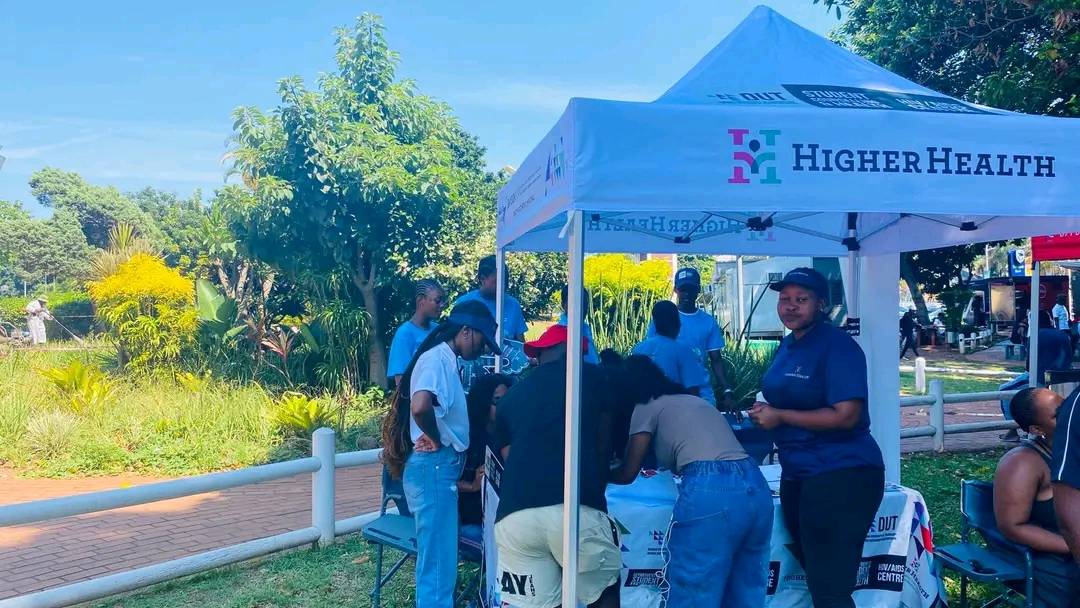
How Higher Health Integrates a Mental Health Skills Programme into the Civil and Soft Skills Programme (NQF Level 5)
In education and society as a whole, there are a number of crucial issues that need to be addressed, and mental health is one of the most pressing. The combination of academic pressure, an evolving social environment, rising unemployment, and weaker economies is a perfect storm for the emotional and psychological health of young people. Higher Health, a partner of higher education institutions, developed several programmes to respond to these issues, especially those concerning student wellness and development. The Mental Health Skills Programme is especially noteworthy as it has been integrated into the Civil and Soft Skills Programme, NQF Level 5. This programme seeks to enable students and young people to acquire the knowledge, skills, and a positive attitude to manage their mental health, as well as help others in society.
Over the years, the Higher Health organization has been recognized for fostering health, wellness, and social advancement in the higher educational sphere. The organization aims to establish safe, supportive, and inclusive spaces for students and staff members alike. In collaboration with universities, colleges, and other stakeholders, Higher Health runs educational programs focused on issues like mental health, gender-based violence, substance use disorders, and social responsibility. A significant part of this work is the Mental Health Skills Programme. This is vital work because the mental well-being of an individual impacts their academic success, productivity and, ultimately the quality of their life.
The Mental Health Skills Programme is part of the Civil and Soft Skills Programme at NQF Level 5. This means it is designed in a way to offer intermediate knowledge and some level of practical competence. The aim of the NQF Level 5 programmes is to equip the learners with a sound theoretical understanding, and set of practical skills to be applied in real-world scenarios and in the workplace. In this context, the mental health part of the programme aspires to develop awareness, mental resilience, and emotional intelligence, and the capacity to assist other people who are experiencing distress.
Increasing awareness and understanding of mental health is an objective of the Mental Health Skills Programme. Many people still misunderstand mental health issues and associate them with stigma and discrimination. The programme teaches participants about mental health conditions including depression, anxiety, stress-related disorders, and trauma. The knowledge of these conditions enables participants to identify self and peer mental health issues. This knowledge fosters early intervention and stigma reduction in the community and the educational setting.
Further, the programme adopts an emotive component with a focus on developing coping strategies and emotional resilience. Practical techniques for emotional stability and resilience in the face of adversity may include stress management, mindfulness, self-care, communication, and time management. With these techniques, participants will be in a better place to handle the pressure of academic work, finances, family, and future career prospects, and maintain mental health.
This program fosters the emotional intelligence, active listening, communication, and conflict management skills needed to build and maintain constructive interpersonal and professional relationships. Participants in the program learn the value of emotional support, perspective-taking, and constructive communication, which enables them to support others during emotional crises. These skills will also help participants in shaping an effective leadership role, and will help them position themselves more favorably in the job market.
Moreover, the Mental Health Skills Program motivates participants to become mental health advocates and peer supporters in their communities. Students who finish the program build the confidence and skills to assist others who may be facing mental health issues. Although they are not trained to be professional psychologists or counselors, they can provide minimal mental health support, encourage help-seeking, and refer individuals to mental health professionals. This model of peer support is crucial to enhancing community mental health awareness and reducing the stigma associated with help-seeking.
Participants learn the programme using diverse methods, such as practical exercises, group discussions, online modules, and workshops. The blended learning approach fosters participant interaction and meaningful engagement with the learning content. Sharing personal experiences, exercising self-reflection, and engaged problem solving are ways in which one can demonstrate mental health challenges. The deeper the engagement, the more real life situations the participant can address using the knowledge gained.
Additional programme merit is the positive contribution it makes towards one’s employability and profession. The workforce in the current job market is streamlining and valuing employees’ emotional intelligence and workplace mental health awareness. The employees who are productive, and fully integrated within the teams, are those who possess the soft skills, resilience, and the stress management capacity. The job market is also valuing the competencies gained from the Civil and Soft Skills Programme at NQF Level 5.
Additionally, the program aligns with the vision of creating healthier communities and organizations. Educational institutions become more safe and welcoming spaces when students learn mental health literacy and how to support each other. Educational stigma lessens, students experience better psychosocial health, and students perform academically better. Furthermore, it promotes a caring and responsible culture in which individuals take care of each other.
The Reach of the Higher Health Mental Health Skills Programme (NQF Level 5)
The Higher Health Mental Health Skills Programme, part of the Civil and Soft Skills Programme at NQF Level 5, greatly affects students and young professionals as well as the wider community. Young people experience mental health challenges due to a myriad of reasons, including the ever-present academic stress, societal pressure, unemployment, and personal issues. The programme’s structured approach combining mental health education and soft-skills training is critical in enhancing participants’ emotional wellbeing, self-confidence, and resilience.
Mental health awareness stands out as one of the most notable outcomes of the programme. Many students and young people often do not possess a clear understanding of mental health or may feel uncomfortable discussing it. The programme teaches participants what mental health entails and provides them with information on mental health disorders that may include but are not limited to, the disorders of stress, depression, anxiety, and trauma. Participants of the programme begin to realize that mental health, just like physical health, is important. Gradually, the stigma associated with mental health issues diminishes, and people become more comfortable with the idea of seeking professional assistance.
Building emotional resilience is yet another important outcome. Several challenges are faced at different phases and psyche issues, said to have had a detrimental effect on a social worse, including education. Young people embarking on higher education are most often said to suffer from stress of academic engagement, the burden of financial earning and the anxiety of future career quest often laden with uncertainties. The programme offers a variety of practical tools and coping mechanisms to help people manage their stress, stabilize their emotions and help them get through the tough times. Participants develop skills of mindfulness, self-awareness and stress management, and imbibe the intrinsic motivation to remain focused.
The programme helps participants develop soft skills, including communication, empathy, teamwork, and problem-solving, which are all essential for self and career development. Active listening, being sensitive to other’s feelings, and effective communication help improve communication, relationships, and collaboration with students, peers, lecturers, and co-workers. Overall, graduates gain confidence and ability to work in most positions, and work environments.
Furthermore, the programme encourages peer support and a sense of social responsibility. Participants are motivated to become mental health advocates in their schools and communities. Though they are not professional mental health counselors, they volunteer to assist, support, and encourage their peers to seek professional help and are able to identify signs of emotional distress, which is critical to preventing a serious mental health crisis.
The Major Psychological Benefits Include Improved Academic Achievement and Increased Productivity. Mentally healthy students perform better academically because they are better able to concentrate, utilize their time efficiently, and deal with the pressures of academia. The programme gives students better mental well-being, helping them focus more on staying on their educational objectives and lessening the chances of drop out due to emotionally stressful situations.
In Addition, The Mental Health Skills TRAINING Programme Increases Workplace Readiness and Employability, As Mental Health TRAINING Participants Are More Likely To Gain Skills In Stress Management, Effective Communication, And Collaboration. These are the skills valued at the workplace. Consequently, participants in the Civil and Soft Skills Programme at NQF Level 5 become more employable.
Another significant impact is the development of more supportive, healthy and safe institutions. By incorporating mental health training into their curricula, institutions become places of safety for the students. In addition, the incorporation of the training helps to improve the relationship between the students and staff, increase collaboration, and strengthen community spirit.The Higher Health Mental Health Skills Programme (NQF Level 5), as part of the Civil and Soft Skills Programme (NQF Level 5), aims at giving students and young people the knowledge and skills to cope with mental health issues. The Programme is designed around mental wellness, emotional intelligence, and the development of applicable soft skills in academic, social and professional contexts. The programme has various merits and a few demerits. Weighing the positive and negative sides is crucial is evaluating the effectiveness of this programme.
An example of the merits of this programme is its raising of mental health issues. Education on the subject is crucial as many people remain ignorant and until now, many have suffered in silence with mental health issues such depression, anxiety and stress. With education, the participants are able to recognize the mental health of people around them and come to the realization that they may, in fact, be suffering mental health issues themselves, and are more likely to get assistance. Mental health problems are often stigmatized, however, training and education on these issues gradually reduces this stigma in societies and learning institutions.
Crafting both coping strategies and resilience skills is another key benefit. Young people often face academic stressors, financial concerns, and societal pressure. Practical coping, emotional control, and self-care techniques are taught through the program. This encourages participants to stay grounded, focused, and level-headed, and creates the emotional space for them to tackle their goals. The program further nurtures the ability to bounce back strong and stay emotionally intact when faced with life stressors.
The additional benefit is the ability to advance the program participants’ soft skills. Communication, empathy, and problem solving, along with the ability to work within a team, are all vital both socially, and within the career world. Through the workshops, interactive activities, and guided discussions, students strengthen their ability to work with others and improve their communication skills. These skills greatly improve a participant’s employability and are among the highest demanded skills by employers.
The program also offers nurturing, peer support, and community involvement. Participants learn to offer support and help others with emotional distress. Non-professionally, they are able to offer support, and channel individuals to obtain professional assistance when this is warranted. This creates the community for people to get everything off their chest, and talk more freely about their concerns without the fear of societal pressure to remain silent.
To sum up, mental health skills training through the Higher Health Civil and Soft Skills Programme (NQF Level 5) is of utmost importance, as it helps deal with the mental health concerns of students and young people. The Programme helps with the mental wellbeing of participants, while equipping them with the skills and knowledge to assist others. Additionally, the Programme helps participants develop emotional intelligence, communication, and resilience, thus preparing them for the world of work. The focus of the Programme is on the mental wellbeing of individuals, and the emotional intelligence and supportive skills of the community, which in turn helps develop a supportive higher education system. This Programme is a demonstration of the commitment of Higher Health to the wellness, social responsibility, and personal development of young people.