Collaboration in 2026: NSFAS, SRCs, Public Universities, and TVET Colleges Integrate Student Financial Aid Processes
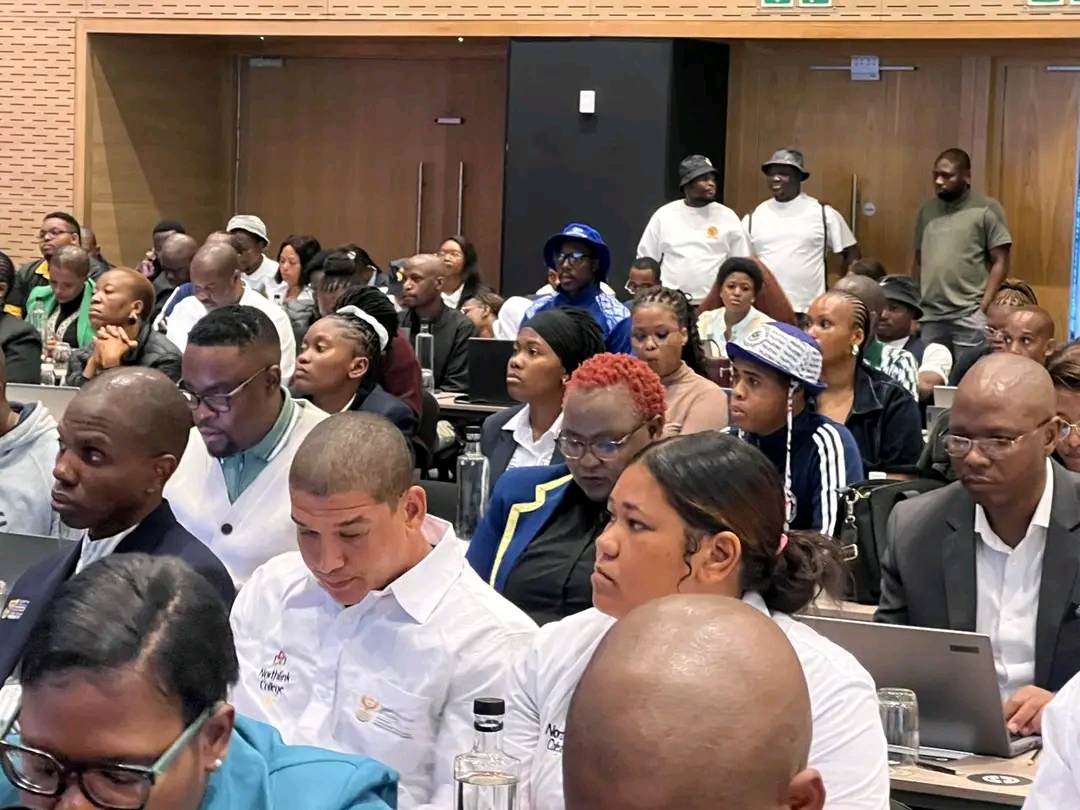
NSFAS, SRCs, and Financial Aid Offices across Public Universities and TVET Colleges in South Africa for the first time in history, have commenced active joint partnerships for the streamlining of student financial aid services for the 2026 academic year. All four NSFAS partners in the 2026 streamlining of student aid financial services are undertaking their first joint Policy and Processes Information Session. The aim is to allow student aid financial service partners, the institutions, and university aid offices to prepare for the financial aid service’s first major operational peak in the academic year.
Furthermore, the Policy and Processes Information Session provides an opportunity for all partners and stakeholders, including the student aid financial services and institutional aid staff, to identify areas of the student aid financial services operational processes that can create obstacles to the efficient operation of student aid financial services, and to align their processes to facilitate students accessing the financial aid services.
NSFAS’s Core Function in Simplifying Student Funding
NSFAS is the central agency for distributing state-sponsored financial aid. Thus, NSFAS is critical for enabling access to higher education for students from poorer communities. For the 2026 Policy and Processes Information Session, NSFAS officials are requesting the opportunity to provide updates directly to the institutional financial aid staff regarding policies, funding eligibility, and timelines for the disbursement of aid.
The primary aim is to eliminate financial aid approval delays that impact student registration. For this reason, NSFAS works with the universities and the TVET colleges to provide funding that is approved and disbursed. This creates an advantage for the student and also aids the institution in efficiently controlling class size, managing the allocation of resources, and planning academically.
NSFAS represents the session and focuses on transparency and communication. Institutional staff are given information on application status, data verification, and appeals instructions. This guides the students and, in turn, helps the financial aid and the SRC to respond to open questions, especially during the registration rush.
SRCs: Giving Power to Student Voices
A key role of Student Representative Councils (SRCs) in these workshops is to facilitate the flow of information to and from the students and the administration. Their contribution helps ensure that student feedback and input are included in the impact analysis of student financial aid policies and procedures.
SRC members are also able to engage directly with the financial aid personnel from NSFAS and the institutions in an attempt to address the issues of student concern, such as the processing of applications, the communication (or lack of) regarding eligibility, and the difficulty students encounter with the online application portal. By focusing on student input, the workshop aims to create a system that is more efficient and user-friendly to students for the management of financial aid.
Additionally, as a result of training on new policies and procedures, SRCs will be able to offer accurate information to their colleagues. In the long run, this will ensure that students receive assistance and are better able to register before the deadline, ultimately alleviating their concerns.
All Public Universities and TVET Colleges: Coordinating Institutional Processes
An important point is focusing on the alignment of financial aid processes across all public universities and TVET colleges. Institutions use different administrative processes that can confuse students as they interact with several systems. The workshop aims to create uniformity within the administrative steps involved to ease the process of registration and the subsequent aid disbursement.
University and college financial aid officers evaluate their institutional policies with the modified NSFAS policies. This includes document submission and student verification and disbursement timelines. The workshop discusses possible adjustments to the processes to accommodate late application submissions or differences in student data. Coordinating processes enables universities and colleges to resolve administrative challenges and provide students with financial aid without disruption.
The use of financial aid processes is another feature of the workshop. Institutions are considering using online portals and automated emails as well as centralized systems to manage financial aid and streamline the approval process. This digital approach not only enhances the organization’s efficiency but helps to ease the students’ anxiety and uncertainty by allowing them to access real-time information on their registration.
Simplifying the Registration Process
The main goal of this collaborative workshop is to get ready for the complicated registration process for the 2026 academic year. Registration is a multifaceted procedure with several steps. Students must enroll in classes, verify tuition, be placed in accommodations, and get approval on financial aid. Delays in any one of these steps can affect a student’s academic calendar and their mental health and well-being.
The workshop aims to streamline registration for NSFAS, SRCs, universities, and TVET colleges. Effective registration, funding, and academic focus are the results of open communication, process coordination, and a well-defined timeline.
Streamlining the registration process can also reduce student administrative burden and increase satisfaction. Students, especially first-years, often find it difficult to register, and institutions can help with the registration and verification.
Increasing Clarity and Responsibility
NSFAS, financial aid offices, and SRCs are providing students with explanations of their funding application status, eligibility, and timeline for disbursement.
Increased focus on regular updates, accessible support channels, and proactive communication have become essential tools for student experience improvement. Institutions transparent Foster Trust and confident students misunderstandings and promptly and equitably distribute financial aid.
Looking Ahead: Integrated Strategy for Students’ Achievement
The Policy and Processes Information Session for 2026 marks the first of many collaborative efforts of NSFAS, SRCs, public universities, and TVET colleges. Setting out the policies, standardizing systems, and placing student support first enables these parties to financially aid students quickly, honestly, and consistently.
This approach to the financial aid system is an extension of the focus on providing equitable and accessible education within South Africa. By narrowing focus on system support, the higher education subsector is focused on administrative barriers to students achieving their desired academic outcomes to minimal delay.
The 2026 Registration period is a stepping stone towards a refined system of financial aid access, communication, and channels, and ease of access to aid. Collaboration among NSFAS, SRCs, and the financial aid offices of institutions is meant to focus on the financial aid process to exemplify the commitment to student centered support for an accessible and thriving academic climate.
The Effect of Info Session on Policy and Processes for 2026
The Planning Policy and Processes Information Session between NSFAS, SRCs, and public universities, and TVET colleges, is about how financial aids and student registrations of South Africa are going to change for the better in the coming years. This meeting’s effect will be noticed on a student, institutional, and even structural level in the country’s higher education system.
- Enhancing Access to Financial Aid for Students
The most noticeable change for students is the ease of access and the speed with which NSFAS assists disbursement aids. Students have expressed their frustration when delays in disbursement occur, compounded by the lack of clear communication regarding the status of their applications. This is especially the case for first year students who are usually very inexperienced in the system and may lack the confidence to advocate for themselves. Streamlined alignment and procedural changes mean students will be able to experience the following benefits:
Much faster funding application approval
Much clearer communication on status, documents required, next steps, etc.
The reduction of registration administration barriers
Students will know their financial aid status, and relieve financial uncertainty. This will better their morale, support their academic success, and reduce the prospect of them dropping out because of financial pressure.
- Strengthening the Role of SRCs
The Student Representative Councils (SRCs) are key in ensuring student participation in the implementation of all the policies. SRCs also receive training that gives them a better understanding of processes and the ability to obtain helpful resources to assist their fellow students as peers. This includes:
Students get support and advice from trained SRC peers.
SRCs are reducing the level of confusion and misinformation about funding processes.
SRCs are also creating a greater sense of community and advocacy on the campuses.
In short, the workshop gives SRCs the tools to be the links between students and the financial aid offices.
- Improving Institutional Efficiency
Universities and TVET colleges also obtain greater benefits from the alignment. As the processes become more integrated, institutions can handle registration, class allocations, and the disbursement of tuition in a more efficient manner.
Major integrated processes result in the following effects:
Improved integrated processes result in better closure of balances and faster financial aid approvals, as well as faster registrations.
Improved integrated processes result in better closure of balances and faster financial aid approvals, as well as faster registrations.
Improved integrated processes result in better closure of balances and faster financial aid approvals, as well as faster registrations.
Efficient institutions are also able to concentrate on providing quality education as they have eliminated unnecessary logistical work.
- Building Trust and Accountability
Providing information on the National Student Financial Aid Scheme (NSFAS) and its processes is a way to build trust and relationship with the students. Effective communication workshops have produced the following outcomes:
• Financial management assistance to students
• Reductions in complains/concerns about fund disbursement decisions
• Assurance to students if and when the system is equitable and fair
When there are systems and processes to support NSFAS and Institutional Financial Funding as they support public trust in the NSFAS system, the Financial Funding Trust Reinvestment System becomes trustworthy.
- National Educational Objectives
The workshops assist the South African vision where a priority is access to Higher Education for all, especially the underprivileged. With a focus on the students, the clear, transparent, and efficient financial aid system fosters:
• Increased enrollment as financial aide systems break the barrier
• Reduced school dropout and Increased graduation rates with financial support
• No delays on the launches of talent, and on the development of a qualified labor market
In the long run, the professional aid system encourages social justice, economic development, and the growth of organized social systems.
- Fostering Collaborative Relationships
The session also encourages collaborative relationships between the major players in the post-school education sector. NSFAS, SRCs, universities, and TVET colleges are not working in silos but in harmony towards a common purpose. This will result in the following:
- Collaborative working relationships across institutions to continue solving problems and sharing knowledge.
- Ongoing refinement of policies and practices.
- Increased agility in addressing new issues regarding the management of financial aid and student registration.
This workshop, by encouraging a more open and conversational climate, inspires new working relationships across silos in the South African post-secondary education landscape.
The 2026 Policy & Processes Information Session is part of a larger collaboration in South African higher education. For the first time, NSFAS, SRCs, all public universities and TVET colleges financial aid authorities are collaborating to maximize the efficiency, transparency, and student-centeredness of financial aid processes. This collaboration will result in a more positive registration experience for thousands of students by synchronized processes, streamlined timeframes for fund disbursements, and improved communication.
With the 2026 academic year on the horizon, collaboration among stakeholders becomes vital in directing financial support to those most in need, enabling students to pursue their educational aspirations.